

THE HISTORY OF DOMAINE DE CORDIS
A Name Rooted in Centuries of History
Saint-André de Cordy was known in the 16th century under the name “Domaine de Cordis.”
The current owners restored its original name.
The word Cordy comes from the Latin cor, cordis — the Heart
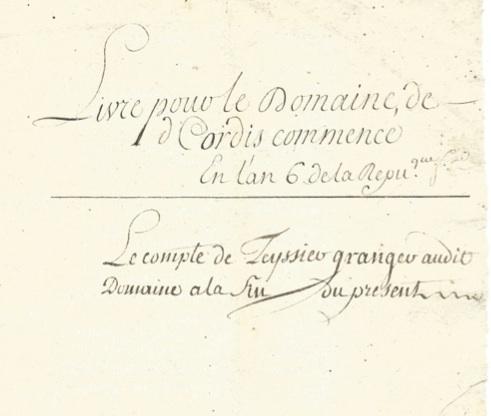
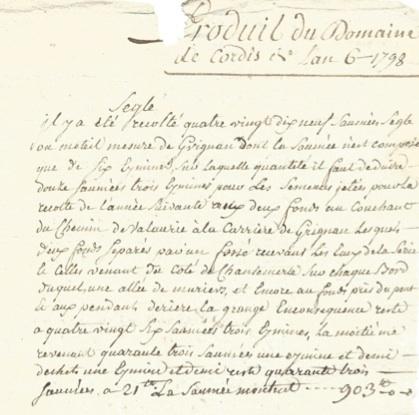
(reference: lease dated May 31, 1763, between Esprit Joseph de Castellane of Saint-Paul Trois Châteaux and farmer Teissier Granger of Cordis).
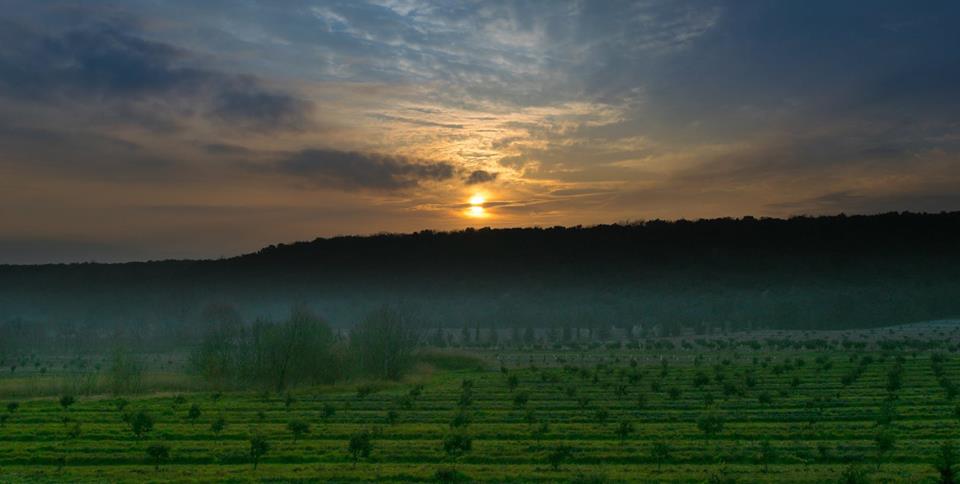
The estate lies three kilometers west of Grignan, along the road to Chantemerle (D549).
It covers 70 hectares of forest and scrubland, plus 30 hectares of cultivable land, all planted and registered as truffle orchards.
A Terroir Perfectly Suited to Truffles
Soil studies indicate that the estate sits on tertiary formations composed of detrital molasses from Chantemerle-lès-Grignan and Saint-Restitut — ideal soils for cultivating truffle trees.
The colluvial soils are rich in limestone, with a pH ranging from 8.2 to 8.4.
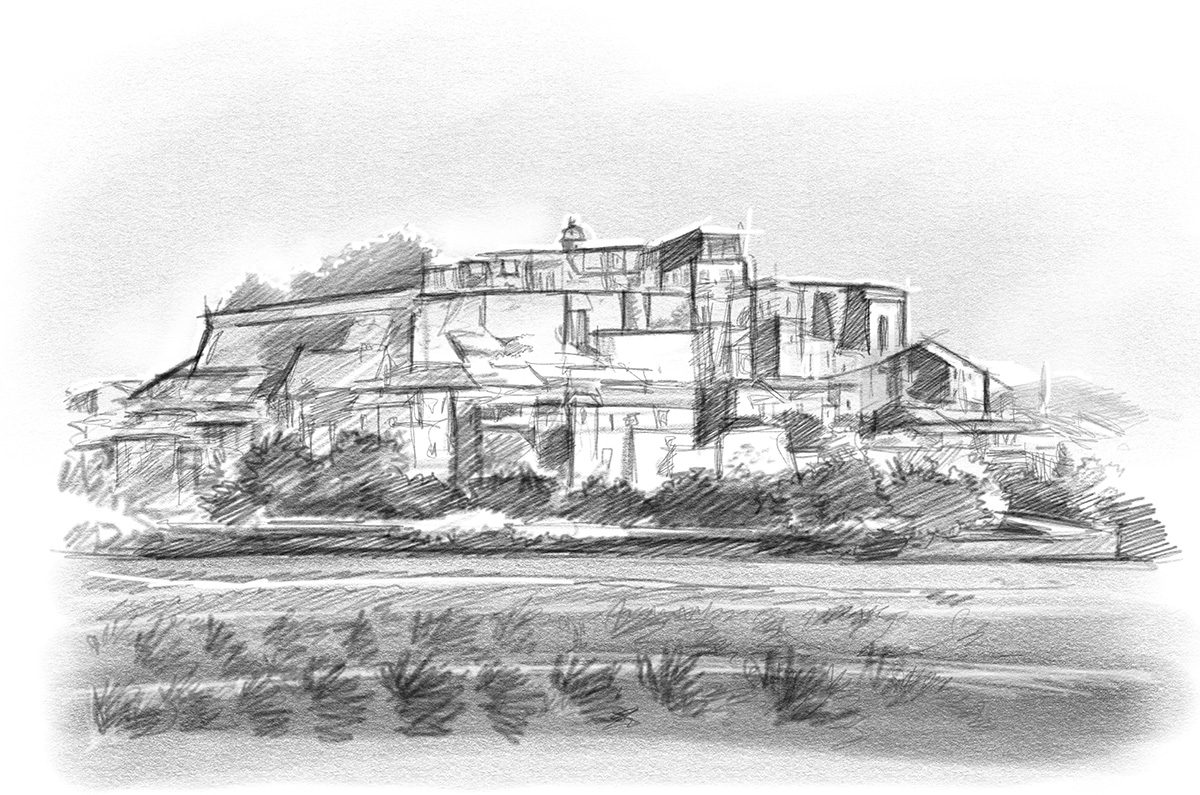
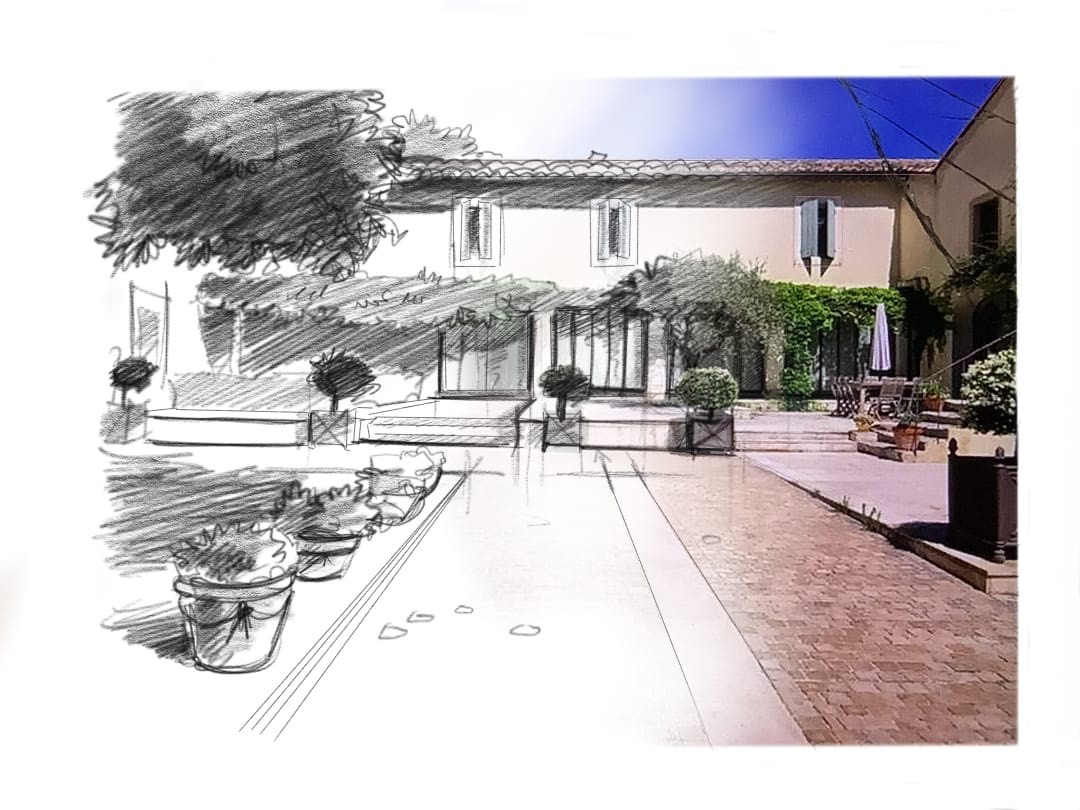
With three U-shaped building wings, the property is considered a fully structured traditional farm.
In earlier times, when it was part of the same entity as “Grand Cordy,” the Saint-André section was known as the “Jas” (or “Jacere”), where more than 400 sheep and lambs were raised.
At the beginning of the 14th century, the arrival of the Popes in Avignon introduced mulberry cultivation to the region.
Another major activity at the estate was silkworm farming, with one dedicated building used exclusively for sericulture.
A Place Marked by Heritage
Domaine de Cordis once belonged to the Abbey of Aiguebelle, as well as to the Lords of Grignan.
It appears on the land registry in sections E and F, sheet n°2.
This is the oldest part of Grignan and was colonized during the Gallo-Roman period
(1st–3rd century AD), based on the site of an ancient wine-growing villa.
The Grand Cordy farm and Domaine de Cordis belonged to the same entity, which likely served as the administrative center and appears to have endured through a curtis (rural domain).
Since the year 2000, the estate has undergone twelve restoration projects and has been awarded two heritage labels by the Fondation du Patrimoine.
A 1634 document from the Grignan notary Lombard, and a 1281 charter mentioning the division of the territories of Cordis, Sarson, and Réauville, further attest to the historical significance of this land:
“in quodam vallato quod vallatum dividit seu limitatur territorium de Corde sive / Greinhano* cum territorium de Sersonis et territorium Regalisville.”
* Grignan
Bibliography
– Lease of 1763
– Commission of the Cistercian Order, Charters and Documents of the Abbey of Aiguebelle, Volume 1, page 249
– Cartulary of the Monastery of Saint-Chaffre, The Benedictines of Saint-Chaffre, history and archaeology of a congregation

A FAMILY STORY
DIdier
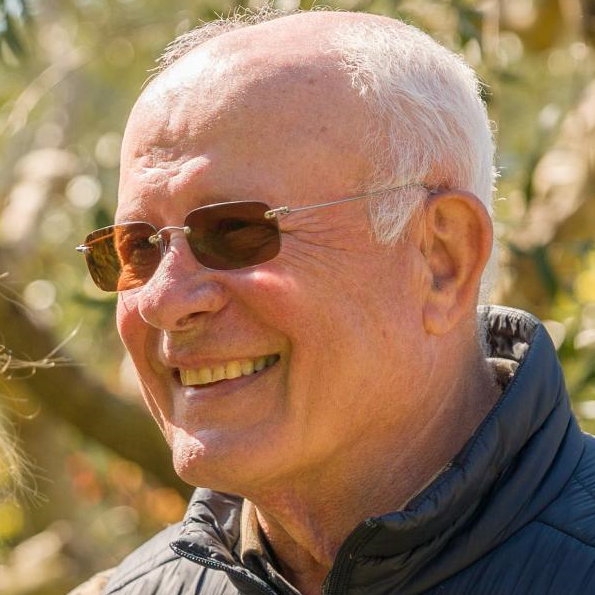
My professional path has revolved around three trades: hospitality, confectionery, and truffle cultivation — each practiced with passion and enthusiasm.
Through them, I’ve learned to appreciate all five senses, especially those tied to aroma and taste.
Very active by nature, I have been running the estate for 21 years, developing new farming approaches across 30 hectares of organically grown truffle orchards.
Our farm aims to share the knowledge behind the three truffle species we cultivate here in the Drôme:
• Tuber Aestivum
• Tuber Brumale
• Tuber Melanosporum
After bringing Nougat to every form imaginable (from soft Nougat cream to frozen Nougat delights), it was the truffle’s turn to be explored in all its facets — always with absolute honesty, because quality is the working standard I value most.
I am, at heart, a man of flavor.
Honors & Distinctions
-
Disciple of Escoffier, 2021 – Culinary Crafts
-
Order of Agricultural Merit, Commander – 2021
-
National Order of Merit, Knight
-
Member of the Brotherhood of the Black Diamond and Gastronomy – 1992 – Honorary